

I Didn’t Quit My Job to Follow My Passion
Sometimes entrepreneurship starts with a dream. Sometimes it starts because the life you had no longer works.

A lot of entrepreneurship stories begin with a happy announcement.
Then comes some version of:
“I wasn’t going to put my dreams on hold anymore.”
Usually accompanied by a very confident caption about finally choosing yourself.
Mine looked very different.
I’ve taken the entrepreneurship route twice in my life. The first time, I helped build an agency. Years later, I built a business on my own.
Both decisions were personal, but the second came from a very different place. I wasn’t chasing freedom or trying to escape corporate life. I was trying to figure out how to support myself after almost everything I had relied on, professionally and personally, had changed.
A difficult divorce had dragged on for nearly three years. I had lost my professional identity and income. I was raising four children while navigating life after divorce, and I spent two years trying to find my way back into a traditional career.
I applied to more than 200 jobs and hired three career coaches.
Nothing was really changing.
By then, my savings were disappearing and debt was replacing them.
I didn’t need another inspirational quote about following my dreams.
I needed a way to take charge of my own future, put food on the table, and stop waiting for some recruiter to decide whether I was worth calling back.
That’s when entrepreneurship stopped feeling like an option.
It became the way forward.
Then COVID Hit
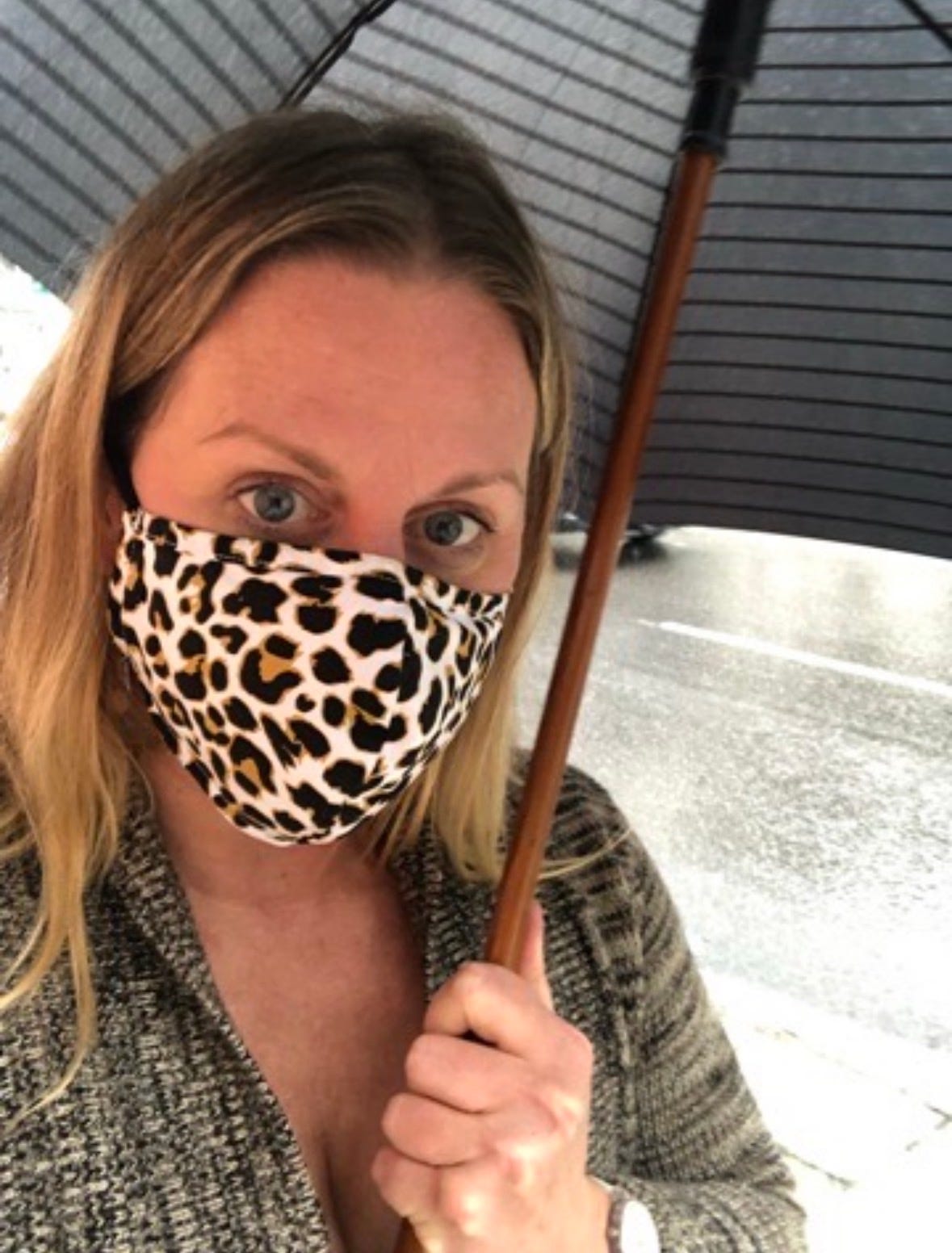
I left for France just days before lockdown restricted travel and the whole world shut down.
I thought I was going for a month—to regain strength and clarity about my career.
Life had other plans.
My dad became one of the early COVID victims, going from healthy to gone in a very short time. It was devastating.
Suddenly, I was in the mountains with a toddler, isolated in an old wood cabin with poor heating, constant problems, barely any money, and days without seeing another adult.
Every day, I worried about getting sick myself, not knowing who would take care of my daughter if I did.
It was one of the hardest periods of my life.
Not exactly the glamorous beginning to an entrepreneurial journey.
All I Really Needed Was Internet
The house had one thing that turned out to matter more than almost anything else: internet.
And apparently, I didn’t need much more than that to start building.
I posted content every day. I networked constantly, went live, hosted Zoom events, and made a point of talking to new people every week.
I also experimented like crazy.
Over the next few years, I tested around a dozen different revenue streams and pivoted six times. Some ideas worked. Plenty didn’t. Every attempt taught me a little more about what people valued, what they would pay for, and what kind of business I actually wanted to run.
Content ended up being one of the biggest catalysts.
It helped me become visible again after years of feeling professionally invisible. My LinkedIn audience eventually grew to more than 77,000 followers, my newsletter to more than 37,000 subscribers, and I was named a LinkedIn Top Voice three years in a row.
None of that happened quickly or according to some clever master plan.
I was figuring it out by doing it.
My Link to the Outside World
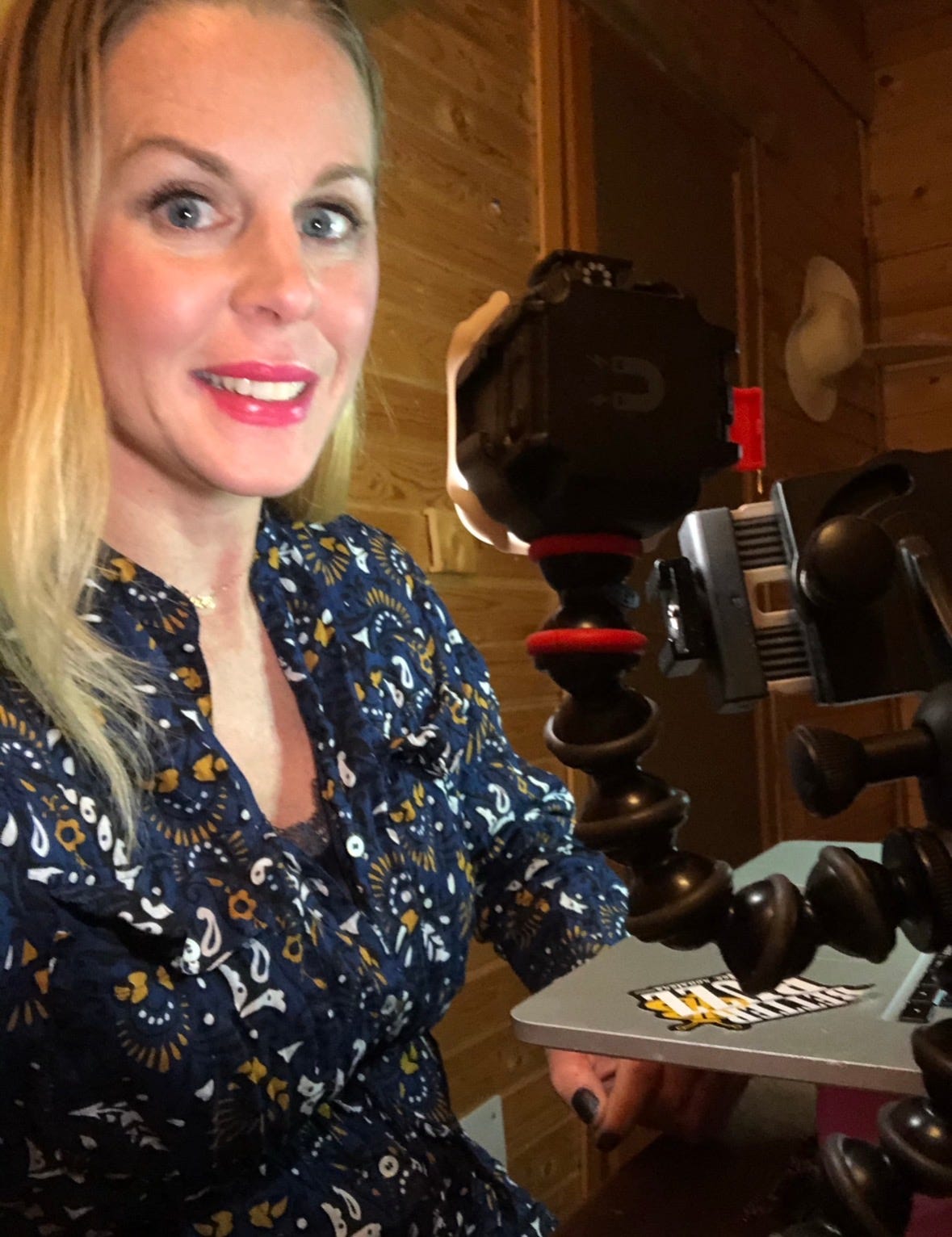
In total lockdown and deep isolation, the internet became my lifeline.
It was how I stayed in regular contact with my three older children, who were isolated back in the United States. But it also became the way I started rebuilding my career.
I had decades of marketing experience and had already been a CMO, so I understood fairly quickly what I could sell. Fractional CMO work wasn’t really a thing yet, but consulting certainly was.
So I started there.
I began posting content aimed at business owners who needed help becoming more visible, and then I said yes to almost anything I knew how to do.
Positioning. Rebranding. Websites. Podcast strategy. Newsletters. Advertising. LinkedIn strategy. If it fell under marketing and I knew how to help, I probably did it.
At the same time, I began coaching people who were much earlier in their entrepreneurial journey and needed help figuring out how to market themselves.
There wasn’t some beautifully designed business model behind any of this.
My attitude was much simpler:
Figure out what people need. Help them. Learn. Adapt. Keep going.
Looking back, that may have been the best business plan I could have had.
The Solopreneur Bottleneck
Eventually, I ran into a problem almost every solopreneur recognizes: there was only one of me.
As the business grew, so did everything I had to manage. Clients, courses, coaching, content, email, community, administration. I brought on a VA and started building better systems around myself, including a CRM, project management tools, Kit for email, and Kajabi for the academy.
The business became much more organized.
But organization didn’t solve the bigger problem.
I had built six courses, two masterminds, a paid community, and a coaching business around teaching people how to market and grow their businesses. And somewhere along the way, my people-pleasing tendencies had turned that into an enormous amount of teaching.
I kept adding more because I wanted people to have everything they needed.
The problem was that many of the people I was helping were still early in their businesses. They didn’t have the time or capacity to execute everything themselves, and they often didn’t have the budget to hire people to do it for them.
More information wasn’t the answer.
And I was burning myself out trying to provide it.
Eventually, I had to admit that the business model wasn’t working for me anymore.
So I shut down the academy.
A Different Business Model
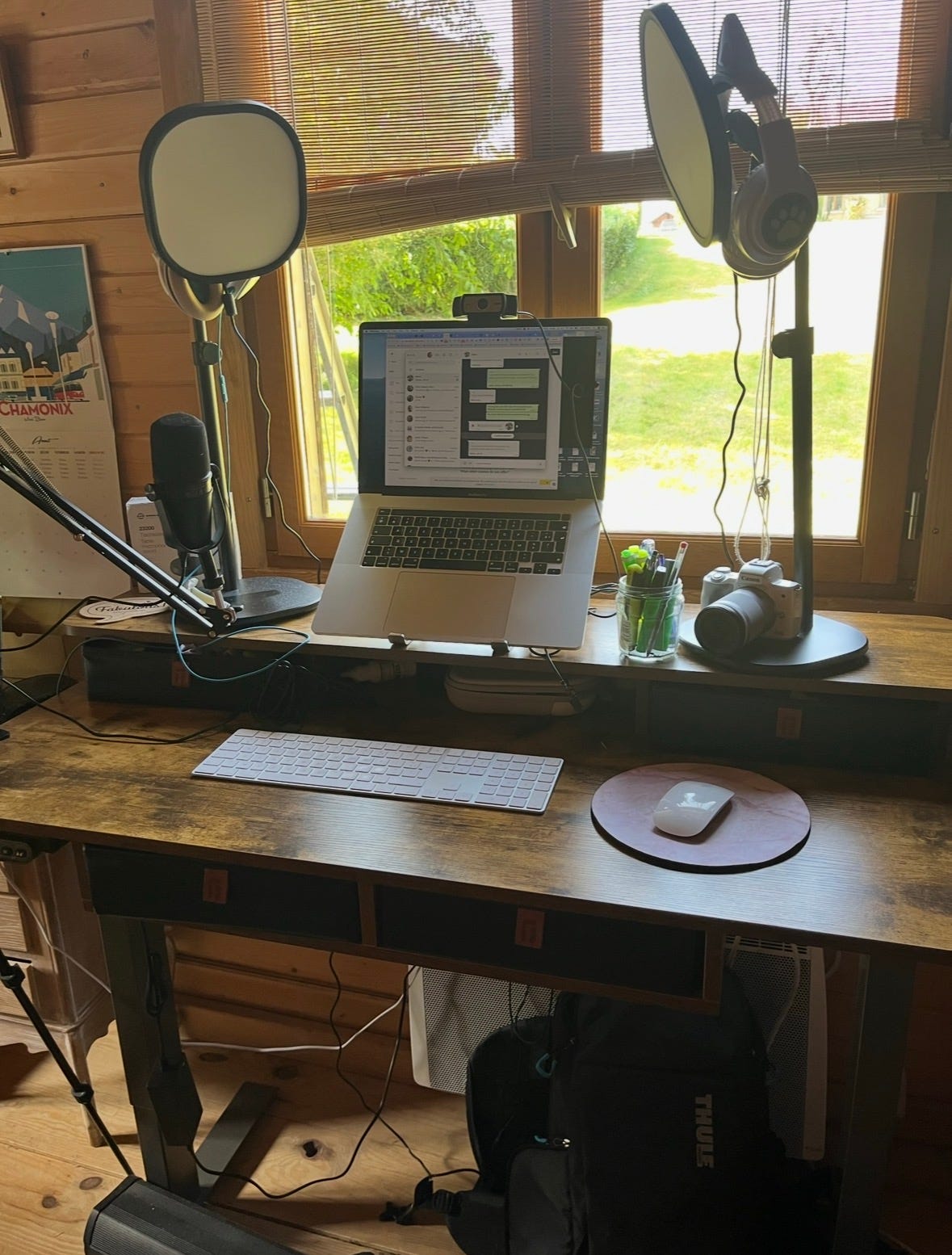
After shutting down the academy, I went in a very different direction.
By 2023, fractional executive work was becoming much more common, and Fractional CMO was a natural fit for my background. Instead of trying to help dozens of people at once, I could work deeply with a small number of established businesses that had the resources to actually execute on the strategy.
I capped myself at five clients a year.
For a while, it was exactly what I needed.
The business became simpler. I could charge well, work with fewer people, and spend my time solving higher-level problems instead of constantly creating courses, running a community, and trying to support people at completely different stages of business.
But I never really forgot about the people I had been trying to help through the academy.
There was still a problem I hadn’t solved.
How do you help someone earlier in their entrepreneurial journey build something that actually fits their skills, circumstances, income needs, and the life they want to live?
I knew by then that simply handing someone more courses, worksheets, and strategies wasn’t the answer.
I just didn’t know what the answer was yet.
To Be Continued
My entrepreneurial journey isn’t over.
If the last six years have taught me anything, it’s that I probably shouldn’t expect it to be.
I’ve watched successful creators shut down courses, close communities, and walk away from businesses they spent years building. I used to find that surprising. Now I don’t.
We change. Our lives change. What we need from our work changes too.
There are seasons when we want to grow, seasons when we want more time, and seasons when something that once fit no longer does.
I no longer see every pivot as a failure to focus.
I’m actually grateful I tried so many things. That’s how I learned what I liked, what people valued, what exhausted me, and what I never wanted to do again.
Six years ago, I thought I needed to figure out what I was going to do with the rest of my career.
Now I’d rather build work that fits the life I have today and give myself permission to change it when I change.
Maybe six years from now, I’ll be doing something completely different.
I’m okay with that.
I’m enjoying the journey.
I hope you’ll follow along.