


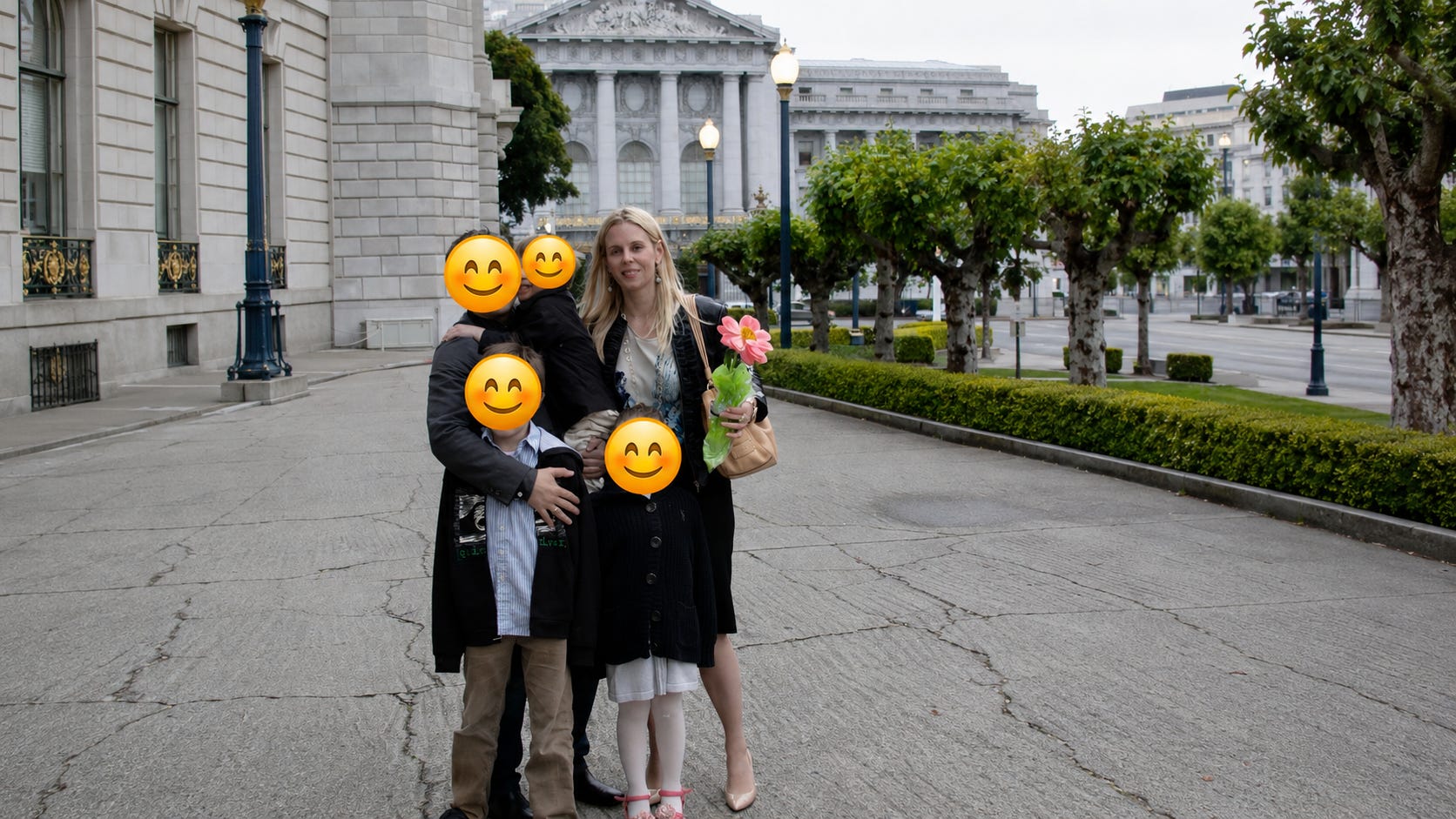
I don’t care where you live in the world. There’s one idea that seems to transcend cultures, languages, and distance: what a good life is supposed to look like.
The details vary, of course, but the checklist is remarkably familiar:
✓ Get a good education.
✓ Build a successful career.
✓ Make good money.
✓ Find a partner.
✓ Buy a nice home.
✓ Have a family.
✓ Travel and enjoy life.
✓ Be happy.
That last one is almost treated like an automatic consequence of checking all the others.
By the time I was 30, I had checked almost every box.
I was married with three children, helping build an eight-figure creative agency, working as CMO and co-owner, and getting to work with clients I once would have considered dream clients. We had a beautiful home in San Francisco. We traveled. We lived comfortably. I had reached the point where I didn’t have to think about whether I could afford the groceries in my cart.
And I don’t want to rewrite history and pretend I was secretly miserable through all of it. I wasn’t. For a long time, life really was good. I felt lucky.
That’s partly what made what happened next so confusing.
I had checked the boxes. So why did I increasingly feel like I couldn’t breathe?
If you want to learn how to build FU money so you have more independence, more choices, and more freedom to work and live on your own terms, you’ll probably want to subscribe.
The Finish Line Moves
What I didn’t understand at 30 was that there really isn’t a finish line.
I thought we had worked hard, built the business, bought the house, created the family and reached this comfortable place where we could finally relax and enjoy it. But something strange happens when you achieve things you once thought would be extraordinary. After a while, they stop feeling extraordinary. They just become your normal life.
The beautiful house becomes the house you live in. The nice car becomes your car. The expensive vacation becomes where you go on vacation. You stop thinking, Wow, I can’t believe I get to do this, and without even realizing it, you start looking around at what comes next.
And there is always a next level.
There is always someone with a bigger house, more money, a more impressive career, better connections, more interesting vacations, or access to a room you haven’t been invited into yet. As our success grew, our social circles changed too, and so did my idea of what was normal. Things I once would have considered extravagant barely registered anymore because everyone around me was doing some version of the same thing.
That changed me, and not entirely in ways I’m proud of.
I became more judgmental. I noticed where people lived, what they drove, where their kids went to school, what they wore, where they traveled and what they had accomplished lately. I spent more time around people who noticed those things too. I hate admitting that because I don’t particularly like that version of myself, but she existed.
I had spent so many years trying to become successful that somewhere along the way, success itself had become another form of keeping score.
And the problem with a scoreboard is that there is always someone ahead of you.
A Tuesday Morning
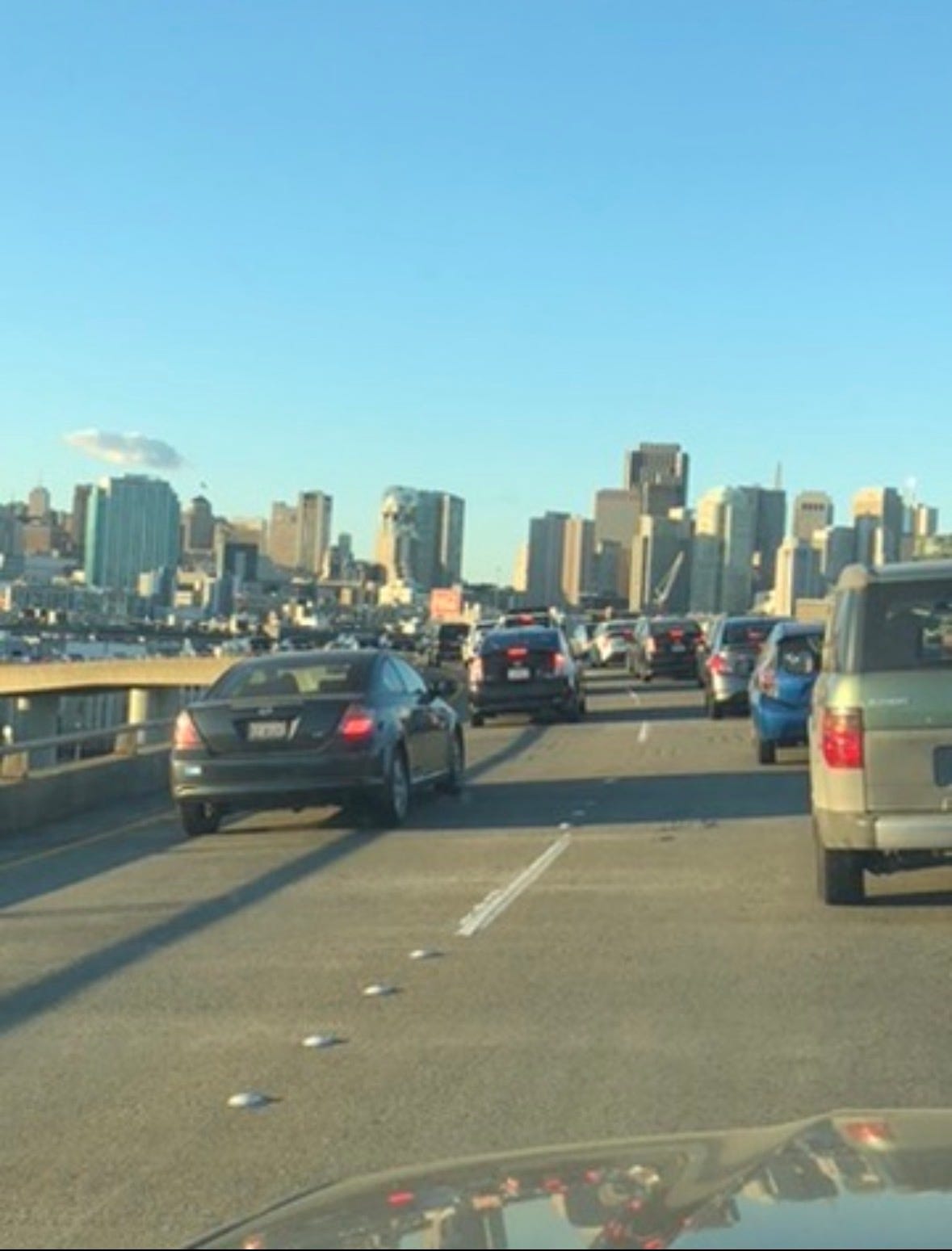
I found something else I wrote years ago describing an ordinary Tuesday morning in our house. Reading it now, I can almost feel my shoulders tense.
It starts at 7:00 a.m., with all three kids already awake and the house in chaos. One child is arguing with me about what to wear. Another is crying after a fight with a sibling. Someone is yelling for me from another room. Breakfast is half-eaten, school things are missing, and I am moving from one small emergency to another while watching the clock because we are going to be late.
Eventually I manage to herd everyone toward the garage. Of course, things have been forgotten, so somebody has to run back inside. Then the front door gets left open. I’m already sitting in the car with the engine running, calling for everyone to hurry up.
We finally pull away. I remind them to buckle their seat belts. There are maybe two minutes of silence before my youngest asks where his lunchbox is.
I look at the clock.
7:50 a.m.
And my workday hasn’t even started yet.
Not every morning looked exactly like that, but enough of them did. Other days I was squeezing in a 6:30 yoga class before getting everyone ready, or trying to fit in time with my trainer after school drop-off. Then I would shower, do my hair and makeup, walk to the office and switch almost instantly from Mom managing morning chaos to CMO managing clients, employees, projects and deadlines.
Afternoons became another logistics exercise. For a while I handled much of the pickup and after-school shuffle myself. Later we used aftercare and eventually hired a nanny, largely because driving three children around while running a company had become ridiculous. We had help cleaning the house too, which sounds as though it should have made life easy, but it never really felt that way.
Years later, when I tried to describe what consumed my days, I wrote the list down in this order:
Driving.
Work.
Kids.
House.
Husband.
Errands.
Working Out.
I put driving first because I genuinely felt like I lived in the car.
Looking back, this is what seems so crazy to me. We had money. We had help. We had built the kind of life that was supposed to make things easier, yet somehow maintaining that life had become a full-time job of its own.
Maintaining the Good Life

Then there was everything required to maintain the life itself.
I spent a lot of money on my appearance. My hair-color appointments could run around $400. I had manicures, eyelash extensions, facials that cost hundreds of dollars, expensive skincare and makeup, and a wardrobe that always seemed to need something new. I worked out constantly, sometimes twice in one morning, and had a personal trainer several days a week.
Reading that now, I realize how excessive it sounds. At the time, it didn’t feel particularly excessive.
That’s an important distinction.
When the people around you live similarly, your definition of normal quietly changes. I had friends who spent far more than I did on clothes, beauty, travel and everything else. In my own social circle, I actually thought of myself as relatively restrained.
The same thing happened with travel. There always seemed to be another trip on the calendar or being discussed. Hawaii. Mexico. Vegas. Somewhere overseas. A weekend away. A nice restaurant. Something to look forward to.
And then there was the world around our children’s private school, where status seemed to seep into everything. Which neighborhood you lived in. What you drove. Where you traveled. What your children were doing. Which activities they had gotten into. Which schools came next.
I don’t want to make everyone from that period of my life sound awful. They weren’t. Some were wonderful people, and many were probably caught in exactly the same cycle I was.
But I do know that I became more judgmental during those years.
I cared more about appearances. I noticed things about people that the younger version of me probably wouldn’t have cared about at all. I spent more time around people who noticed those things too, and after a while it became difficult to tell which desires were actually mine and which ones I had simply absorbed from the environment around me.
Years later, I wrote that I had spent much of my life trying to be the good student, good wife, good mother, good friend and competent businesswoman. As long as I played the role well, I got to keep my part in the play.
By then, the role had just become more expensive.
The strange thing is that none of this felt like a trap while I was doing it. It mostly felt like success.
Until it didn’t.
I Don’t Recognize Us Anymore
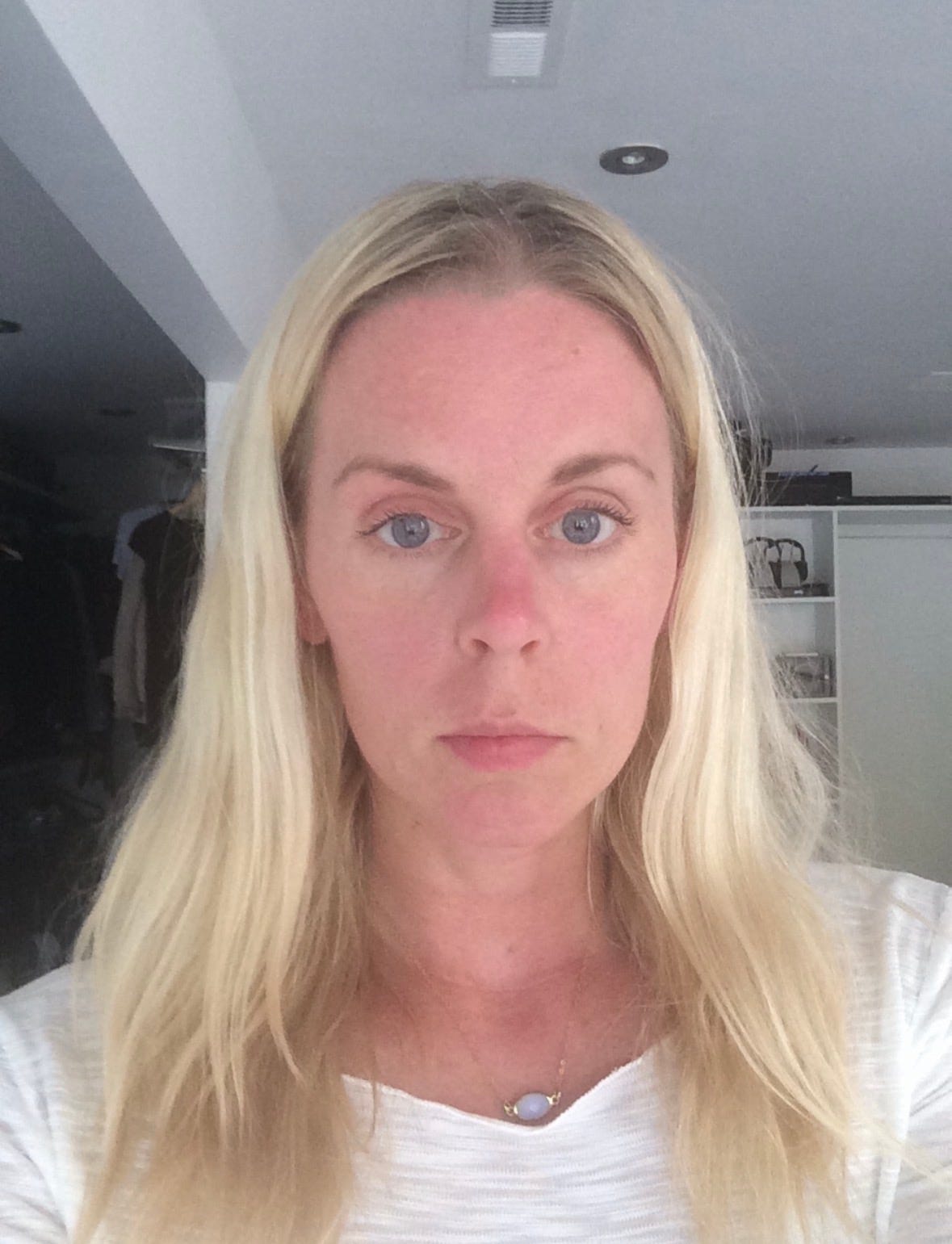
Somewhere along the way, my husband and I grew apart.
Not overnight. There was no single fight or dramatic moment I can point to.
It happened slowly, while we were busy building the life we thought we wanted.
One day I remember thinking:
I don’t recognize us anymore.
And I didn’t mean that in a good way.
I had started to dislike our lifestyle. The constant upgrading. The pressure. The schedules. The expectations. The feeling that every decision had already been made for us by the life we had created.
But it wasn’t just the lifestyle.
I felt like we had stopped knowing each other.
Sometimes we would sit across from each other at dinner, just the two of us, and have nothing to talk about beyond the kids and work.
That scared me and made me fall into a deep depression.
We had built this incredible life together, but somewhere inside it, we had lost the part where we were simply two people who enjoyed and choosing to be together.
So I was the first one to suggest getting away.
Not forever. Just for one school year.
Part of me hoped that if we could remove ourselves from the noise for a while, we might find each other again. Close some of the distance that had grown between us.
I wanted us to step outside our normal life long enough to take a break from the madness.
I thought it would be good for us as a couple, and good for the kids too. I wanted them to experience a different way of living, go to school somewhere new, and maybe even learn another language.
So I started researching Brazil, Australia, and even parts of Europe where we had family, primarily looking at places with international school partnerships that would allow the kids to spend one school year abroad without creating problems with their transcripts.
I even looked into house-swap programs.
The destination almost didn’t matter.
I just wanted us to leave for a while.
To live somewhere else. Slow things down. Put some distance between us and the machinery of our everyday life.
To me, it sounded like freedom.
To my husband, it wasn’t realistic.
He was running the company and had a full team of people in the office depending on him, along with clients, employees, and commitments he couldn’t simply walk away from.
And because his company was the main thing paying for our lifestyle, he won.
I think that was the first time I really understood that we were wearing golden handcuffs.
We had built a life that looked like freedom because we could afford so much.
But we couldn’t leave it.
The house, the cars, the schools, the employees, the clients, the bills, the lifestyle. Maintaining all of it required us to keep doing exactly what we were doing.
We had more money than I had ever imagined having.
And somehow, fewer choices than I expected.
From the outside, there was nothing to escape.
We weren’t broke. We weren’t failing. Nothing had obviously collapsed.
We had the house, the careers, the children, the vacations, the cars, the schools.
Our life looked too good to walk away from.
But inside that life, I was becoming increasingly desperate for something to change.
So I tried to ignore it and lose myself in our routine.
It wasn’t that hard.
There was always something that needed to be done. Work. Kids. School. Activities. Dinner. Errands. Weekends. Vacations. Another Monday morning.
We still had a happy life in many ways.
We just weren’t really united anymore.
And it was surprisingly easy to go on autopilot and just keep living the life we had built while ignoring the divide between us.
The Hardest Part About Golden Handcuffs
I’m going to stop my story here.
What happened next is a much bigger story, and I’ve written about pieces of it elsewhere. I also want to be respectful of my family’s privacy. This isn’t about calling out my ex-husband or assigning blame. Neither of us was perfect, and we both contributed to the distance that eventually grew between us.
This article isn’t really about what happened after I left. It’s about why leaving something that looks so good can be so incredibly difficult.
For me, the hardest part about the golden handcuffs was the guilt.
There wasn’t one terrible thing I could point to. There was no domestic violence, alcoholism, drug addiction, cheating, or toxic boss making my life unbearable.
Sometimes, as awful as it sounds, I almost wished there had been one obvious reason. Not because I wanted something terrible to happen, but because then I would have had an explanation people understood.
Someone could ask, “Why would you leave all of that?” and I could give them one clean answer. They would nod. They would understand. Maybe they would even feel sorry for me.
But “I’m no longer happy with my life” doesn’t get the same response.
Especially when the life you’re unhappy with is a life many other people would love to have.
It made me question whether I was being selfish or entitled. Maybe I should have been more grateful for what I had. Maybe the problem wasn’t my life at all. Maybe it was me.
Believe me, I spent a long time thinking about that, both before I left and throughout the year that followed. If I’m being honest, I carried some of that guilt for much longer.
That’s part of what makes golden handcuffs so difficult. They don’t necessarily keep you inside something terrible. They can keep you inside something good enough that leaving feels irrational.
As I got closer to 40, though, another thought became harder to ignore: How much time do I actually have?
I don’t mean that in some morbid way. I simply became much more aware that life wasn’t infinite.
There were things I still wanted to experience while I was young enough, healthy enough, and free enough to do them. My children were getting older. I was getting older. Opportunities wouldn’t necessarily remain open forever.
I started wondering how many more years I was willing to spend hoping that someday I would feel differently about a life I already knew wasn’t right for me.
Of course I worried about the consequences. I knew leaving would hurt people. I knew there would be financial consequences, and I knew I could be making an enormous mistake.
But I also believed I would find a way to make things right afterward.
My situation was particular and, in many ways, extreme. You don’t have to leave a company, a marriage, a house, and almost everything familiar to understand what I’m talking about.
Golden handcuffs can look much more ordinary.
They can be a salary you’re terrified to lose, a mortgage that requires you to keep earning at a certain level, stock options you’re waiting to vest, private school tuition, a prestigious title you’ve worked years to earn, or a business you built that now owns most of your time.
Sometimes it’s simply a lifestyle you can afford but can no longer imagine stepping down from.
Or a life everyone around you keeps telling you that you should be grateful to have.
Sometimes the hardest life to leave isn’t a bad one.
It’s a good life that no longer feels like yours.
The Way Out
I wish I could tell you that this ended like an action movie, where I grabbed a parachute, jumped out the window, and sailed off toward some wonderful new life.
Obviously, that wasn’t what happened.
I had three children. Ending a marriage and dismantling the life we had built together was incredibly painful, and it isn’t something I celebrate or feel proud of. I’m certainly not advocating divorce. For me, it was the last possible option, after reaching the point where I no longer believed there was another way forward.
What I can tell you is that somewhere in everything that followed, I found a new purpose.
At the time, I wouldn’t have known how to describe it that way. If you had asked me what I was looking for, I probably would have said independence. I wanted the ability to support myself, make my own decisions, and build a life that wasn’t dependent on someone else’s company, salary, or choices.
If you’ve read some of my other articles, you already know I didn’t figure out how to do that immediately. Not even close. I tried a lot of things before I eventually understood what I was really trying to build.
And the conclusion I came to changed my life enough that it still shapes the work I do today.
Next week, I’m going to tell you what that was and why I think far more people need to start thinking about it long before they ever find themselves trapped by golden handcuffs.
But I’ll give you the spoiler now.
It comes down to two words:
FU money.
Not billionaire money. Not private-jet money. Not even millionaire money.
FU money is having enough financial independence and enough ways to support yourself that you can make an important life decision because it’s right for you, rather than because you’re terrified of what will happen if you say no.
If golden handcuffs are what can keep you in a life you no longer want, FU money is what gives you choices.
That’s where we’re going next.
If you never want to miss an issue about building FU money and creating more freedom in your life, hit the magic button below.
Thank you for reading.
As you can imagine, this is an incredibly personal story, and I know some of you may be judging me right now. I have to live with that. Trust me, I’ve judged myself enough over the years too.
I’m not sharing this story for attention. I’m sharing it because I want you to understand why building FU money matters so much to me.
My story is unique, but so is yours. Over the past eight years, I’ve met people from all walks of life with completely different circumstances, different struggles, and different reasons for wanting more control over their lives.
But so many of those stories eventually came back to the same thing:
Having enough independence to make your own choices.
That’s what FU money is really about.
Thanks for following along.
-Krista
Thank you for sharing this deeply personal story. There’s always pressure to chase the next milestone, but as you said, there is no finish line - just a moving target.
Not enough people talk about the importance of pausing and asking ourselves what success and happiness mean at different stages of life. Those definitions evolve as we evolve.
Looking forward to following along on your journey ❤️