
Three Bags, a Toddler, No Plan
I left California with a one-way ticket to France. I had no idea I was starting my life over

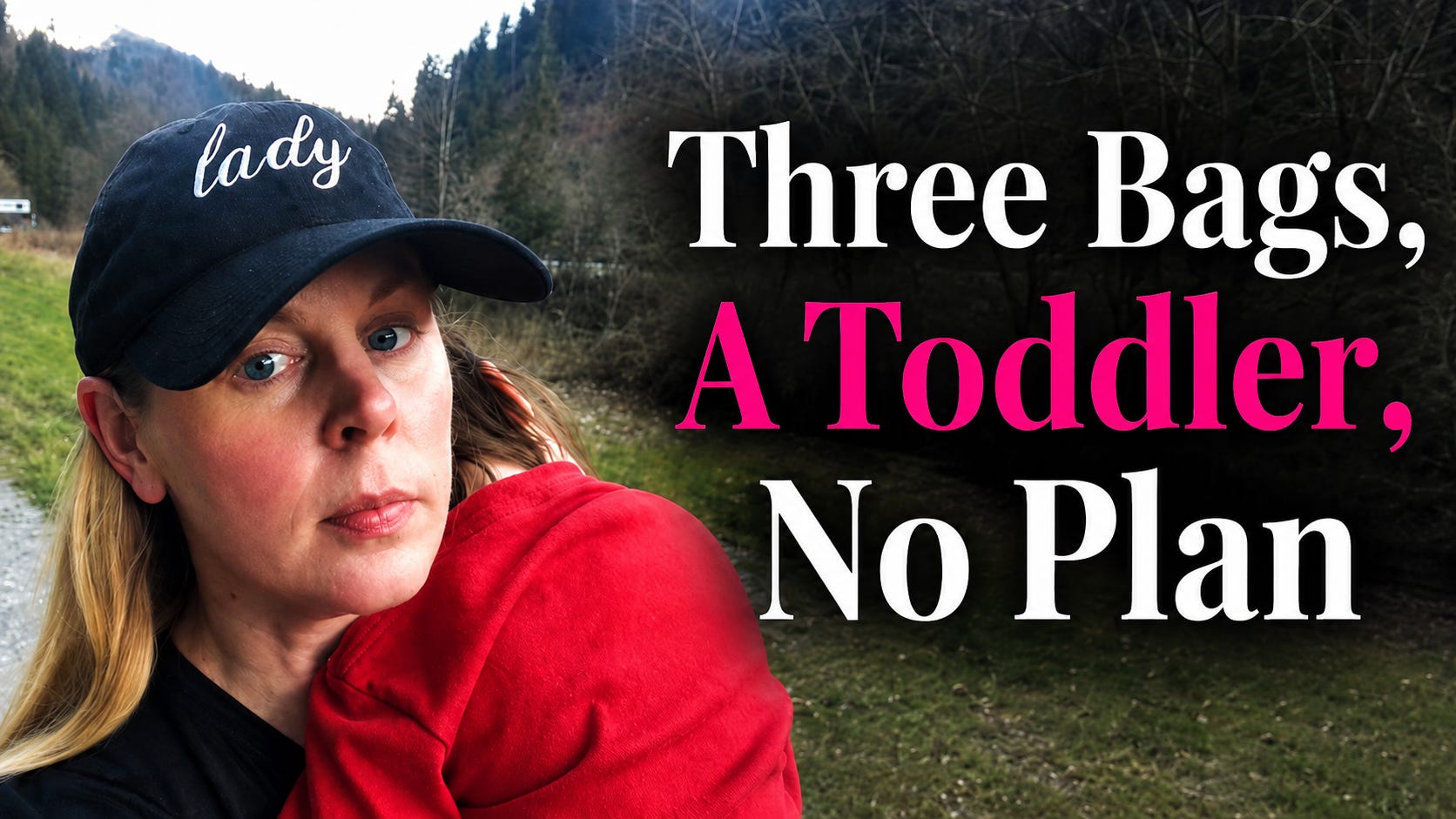
In early 2020, I left California with three bags, my toddler, and a one-way ticket to France.
I wasn’t moving to France. At least, that wasn’t the plan.
After several very difficult years, I was exhausted and financially stressed. My marriage was over, I had sold my shares in the agency I had helped build, and my attempt to return to a traditional career had gone nowhere.
My dad invited me to visit him in France, so I packed what I could carry, took my little girl, and left.
I figured we’d stay for about a month.
A few days after we arrived, France went into lockdown.
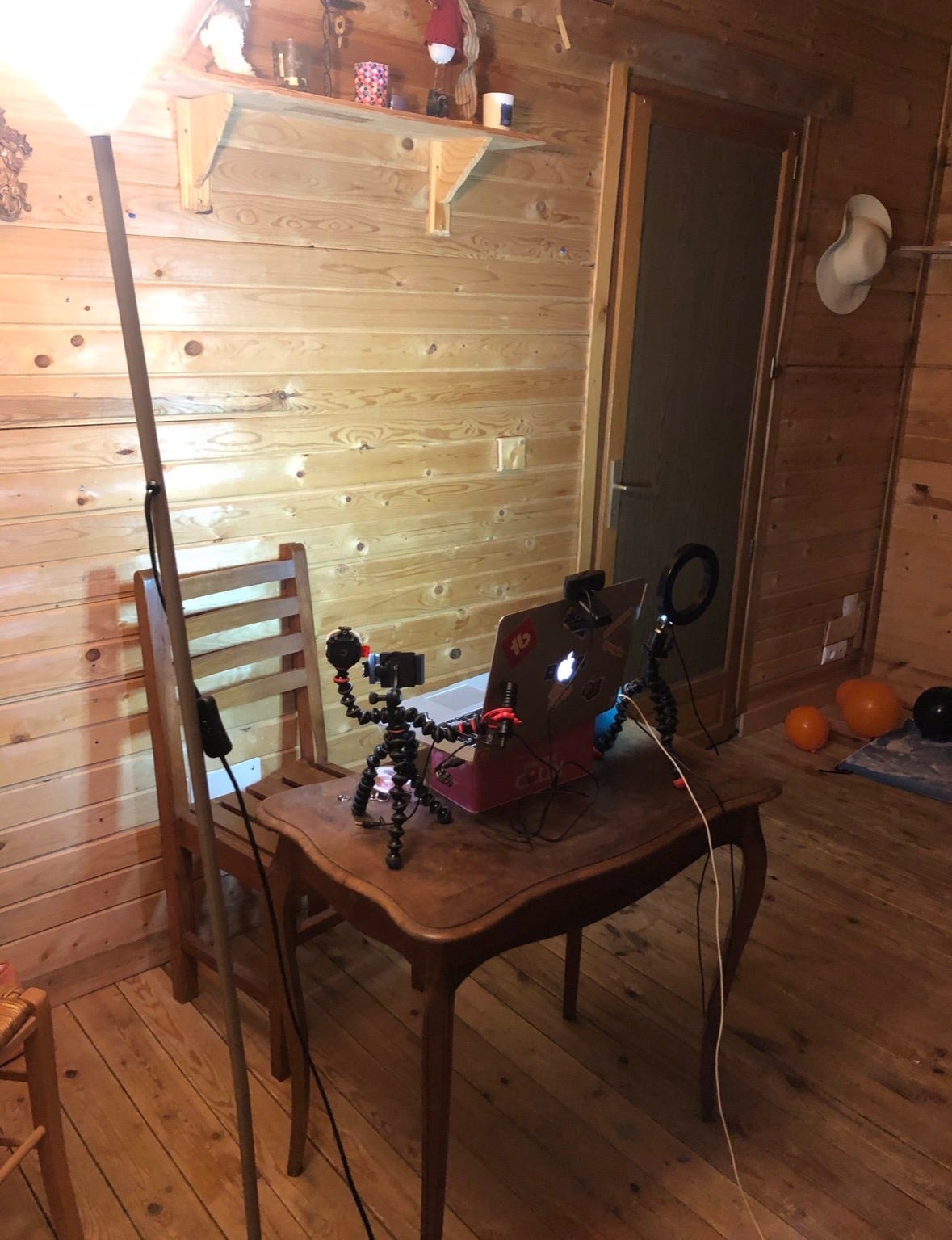
Suddenly I was in a wooden cabin in the French Alps with a toddler, very little money, unreliable heat, and three older children back in the United States whom I had no idea when I would see again.
Then my dad got COVID and died very quickly.
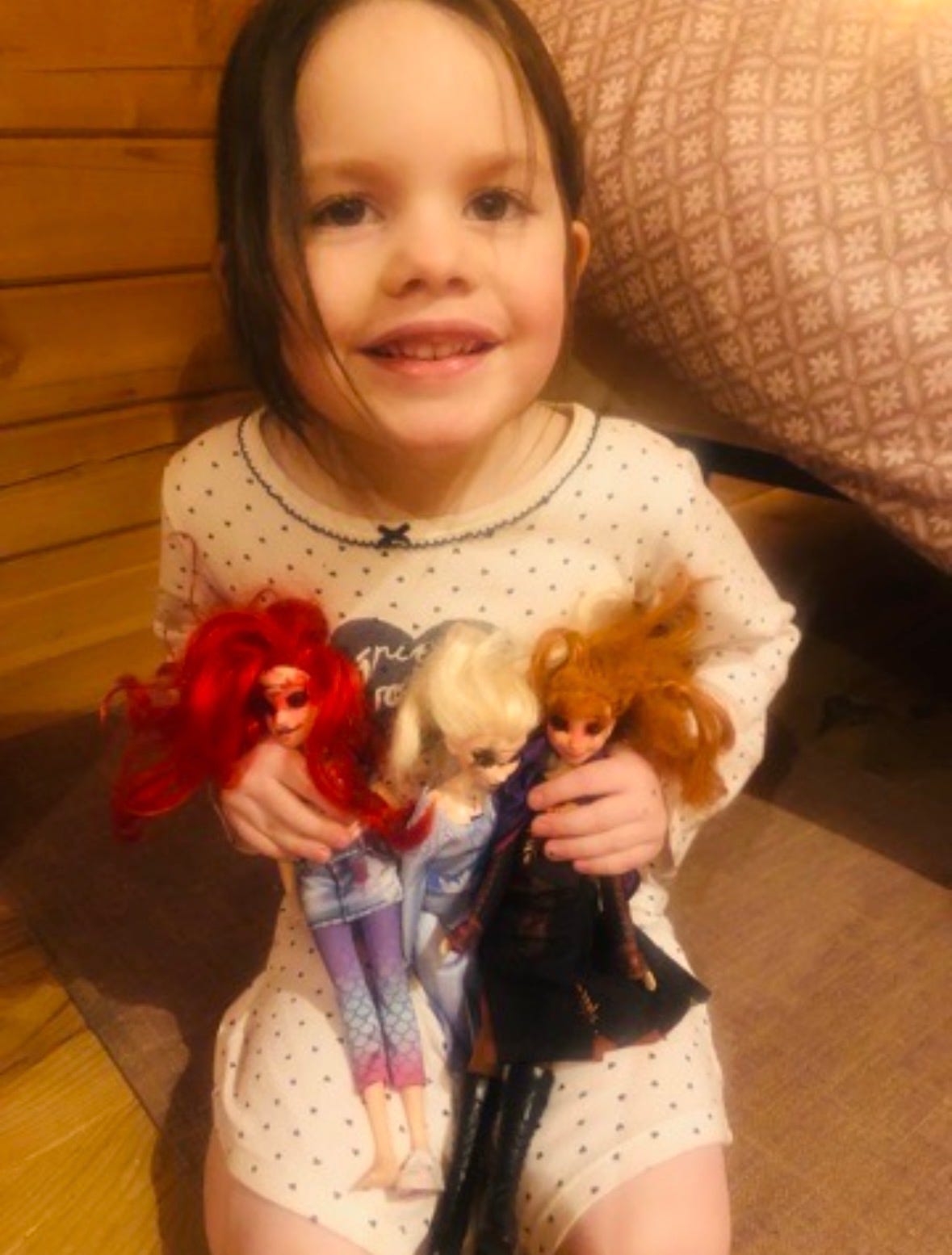
When I look back at the photos from that time now, it’s strange. There are mountains, little villages, green fields, my daughter smiling.
You could easily think I had gone off to Europe to start some wonderful new life.
That is not how it felt.
I wasn’t thinking about reinvention or building my dream life. I was trying to make enough money, take care of my kids, and figure out what the hell I was going to do next.
I’ve written before about becoming unemployable at 38 and losing the professional identity I had spent years building.
But that’s the career version of the story.
I’ve never really written about what those years felt like.
The photos probably tell that story better than I can.
So I’m going to show you.

The Life I Was Leaving
There was a time when my life looked pretty damn good from the outside.
Before I turned 30, I had helped build a successful eight-figure agency, operating as its CMO and working with brands like Apple, HP, and Google. We owned a million-dollar home in San Francisco, I was married, and I had three beautiful children.
I had worked incredibly hard for that life. And for a long time, I thought it was the life I was supposed to want.
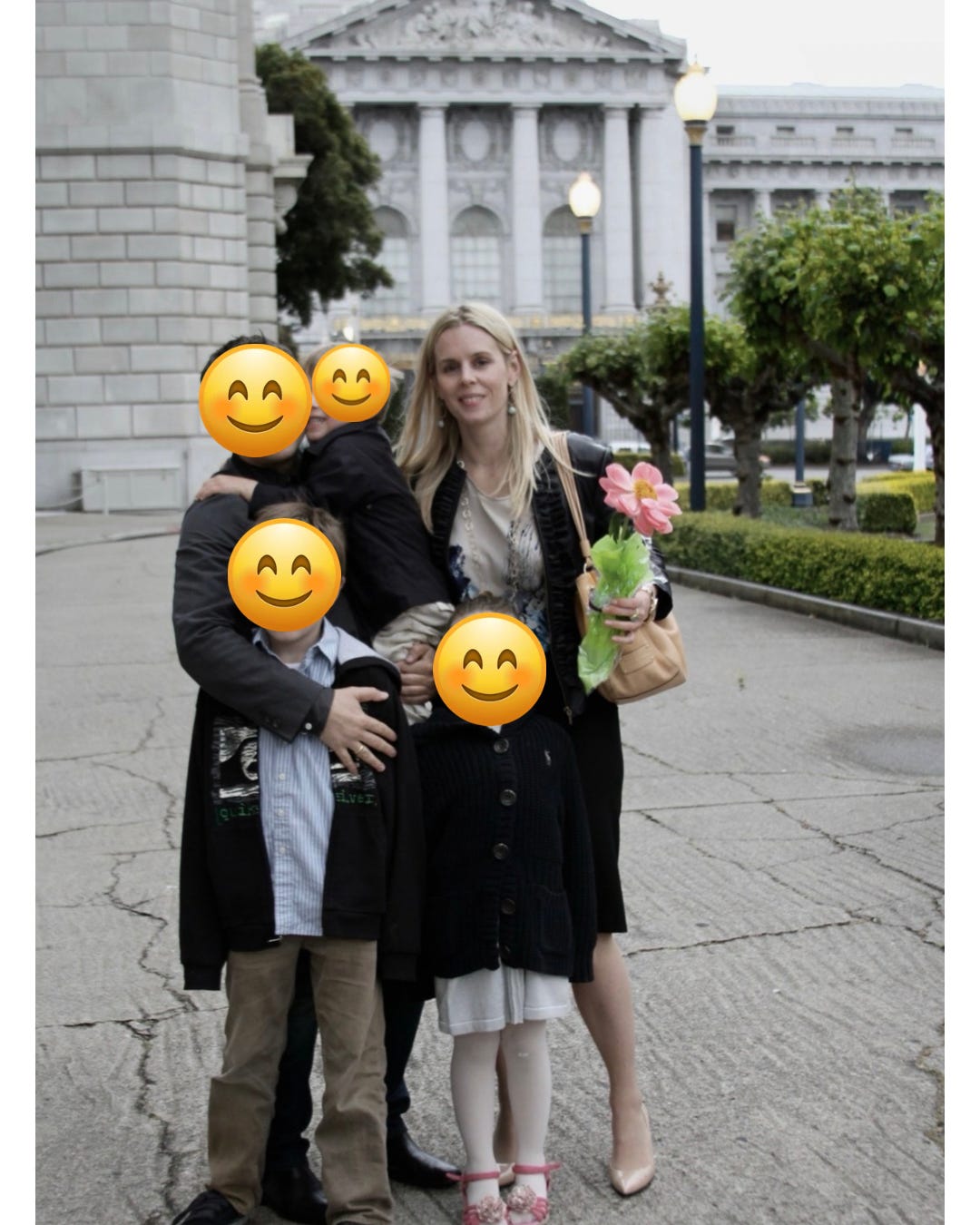
But I was deeply unhappy.
My marriage had become increasingly rocky, and it wasn’t only my marriage. I still loved my work, but after years of pushing so hard, I was exhausted and getting dangerously close to burnout.
I remember looking at myself in the mirror one day and thinking:
I can’t do this anymore.
That decision changed almost everything.
I sold my shares in the agency. My husband and I divorced. We sold the house and liquidated most of what we owned. Then came the lawyers and legal fees, which ate through years of financial security faster than I ever imagined possible.
Still, the biggest surprise came afterward.
I assumed I would simply get another senior marketing job.
Instead, I spent the next two years applying for more than 200 positions, hiring three career coaches, rewriting my résumé, working my network, and doing pretty much everything people tell you to do.
Nothing worked.
I’ve written much more about that chapter in Unemployable at 38, so if you’re curious about what happened professionally, you can read that story here.
For this story, you only need to know where those two years left me.
By 40, I was divorced, jobless, in debt, without a home of my own, raising four children, and still owed back taxes I could no longer pay.
Yep.
I was basically totally f*cked.
I Had to Make Money Fast
I had to figure out how to make enough money to support myself and my kids, without a job, in the middle of a global lockdown.
And I had to do it fast.
I wasn’t sitting in the French Alps mapping out my future as an entrepreneur or thinking about personal branding and multiple revenue streams.
I needed money for groceries.
What I did have was more than 20 years of marketing experience, a laptop, and an internet connection.
So I started with what I knew.
I took on consulting work and helped people with positioning, branding, websites, newsletters, advertising, podcasts, LinkedIn, and pretty much anything else someone was willing to pay me for.
Some things worked. Some absolutely did not.
At the time, fractional work wasn’t nearly as common as it is now, so sometimes I was also explaining why a company might hire someone like me without putting me on payroll full-time.
But people started paying me.
After two years of applying for jobs and trying to convince companies I was worth hiring, that felt significant.
Sometimes it was only a small project. It didn’t matter. A few hundred dollars could mean groceries, gas, or getting a bill paid.
My three older kids were staying in San Francisco with their dad, but my toddler was with me. There is nothing quite like having a small child depending on you to make “I need to figure this out” feel very real.
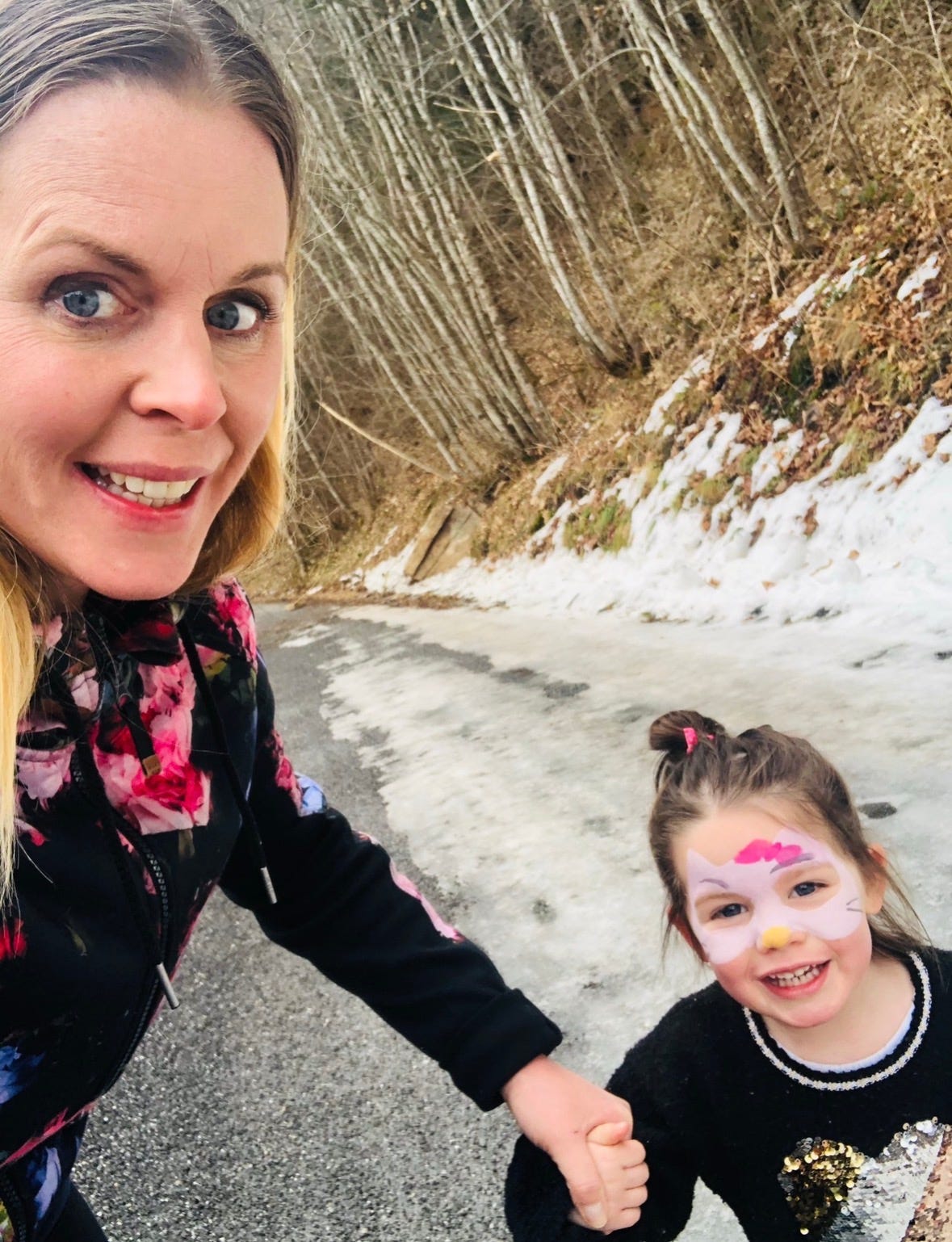
And slowly, something started clicking.
Companies might not have wanted to give me a job, but people were willing to pay me directly for what I knew.
The internet became my lifeline. It gave me a way to work and connect with people from a place where I otherwise had very few options.
I’m still incredibly grateful that we live in a time when you can start something with almost no money. Back then, I was using free LinkedIn, free Zoom, one free Calendly link, WhatsApp and Slack. That was basically my tech stack.
We massively overcomplicate what we think we need to get started. Most of my first clients came from putting myself out there and having conversations with people.
Eventually, though, I ran into another problem.
I had plenty of experience.
Almost nobody knew who I was.
Nobody Knew Who I Was
For most of my career, I had never really needed people to know my name.
I had a company, a title, clients, and a team. There was always some context around who I was and why someone should listen to me.
Now there wasn’t.
I had more than 20 years of experience, but very little visibility of my own. If I was going to make money without relying on another company to hire me, that had to change.
I experimented a little with Facebook and YouTube, but LinkedIn became my main platform.
And LinkedIn back then was actually really fun.
People were genuinely open to meeting each other. I was having conversations all day long and getting on calls with new people almost every day. People introduced each other, collaborated, shared ideas, and actually got to know one another.
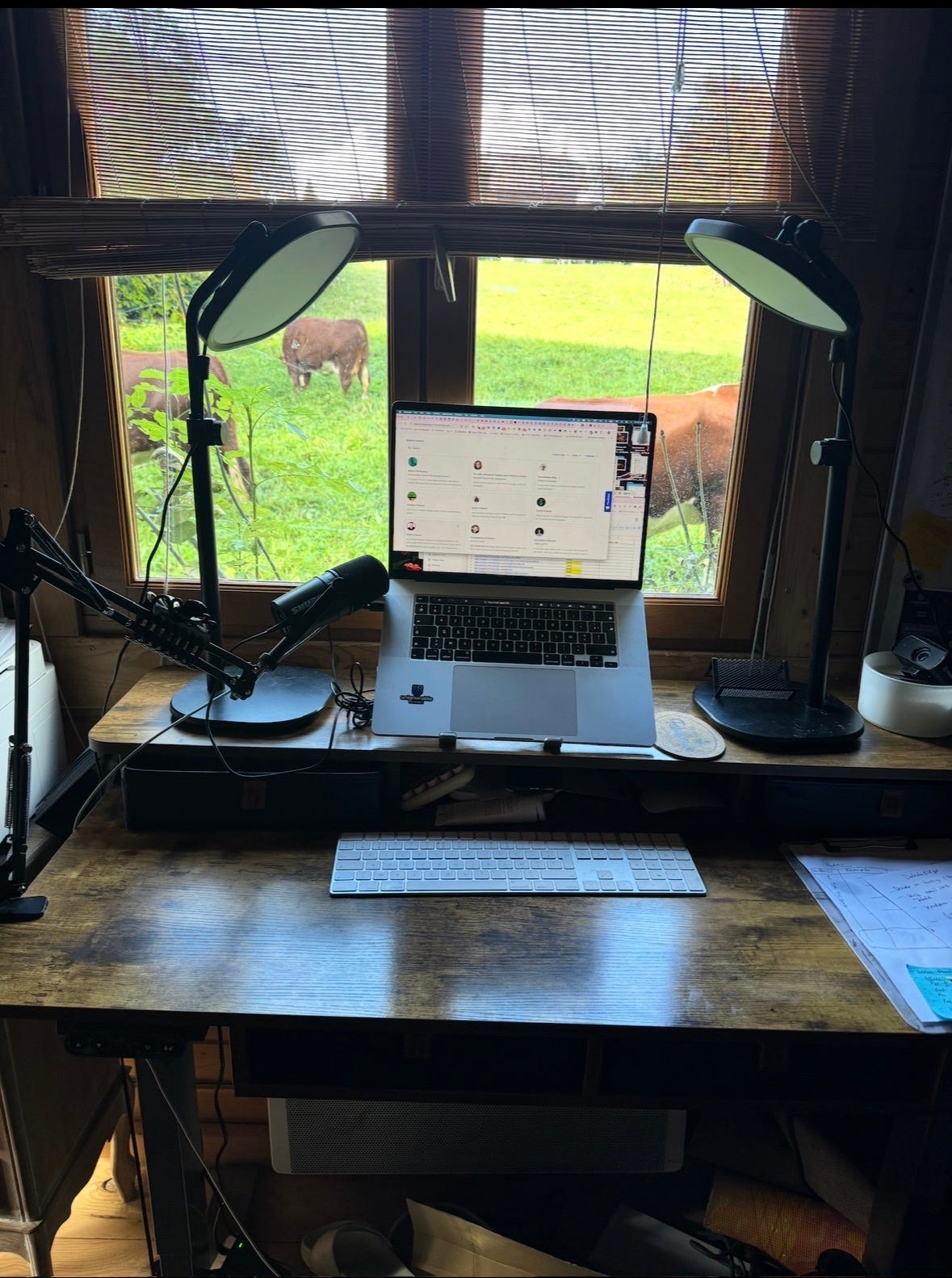
So while I was sitting at a tiny desk in the French Alps, I was doing a ridiculous amount of networking.
I wrote a lot too, mostly about things I knew from experience and usually through stories. I didn’t have some sophisticated content strategy. I wrote about things I cared about and tried to make them useful.
One of my earliest breakthroughs came from something I barely planned.
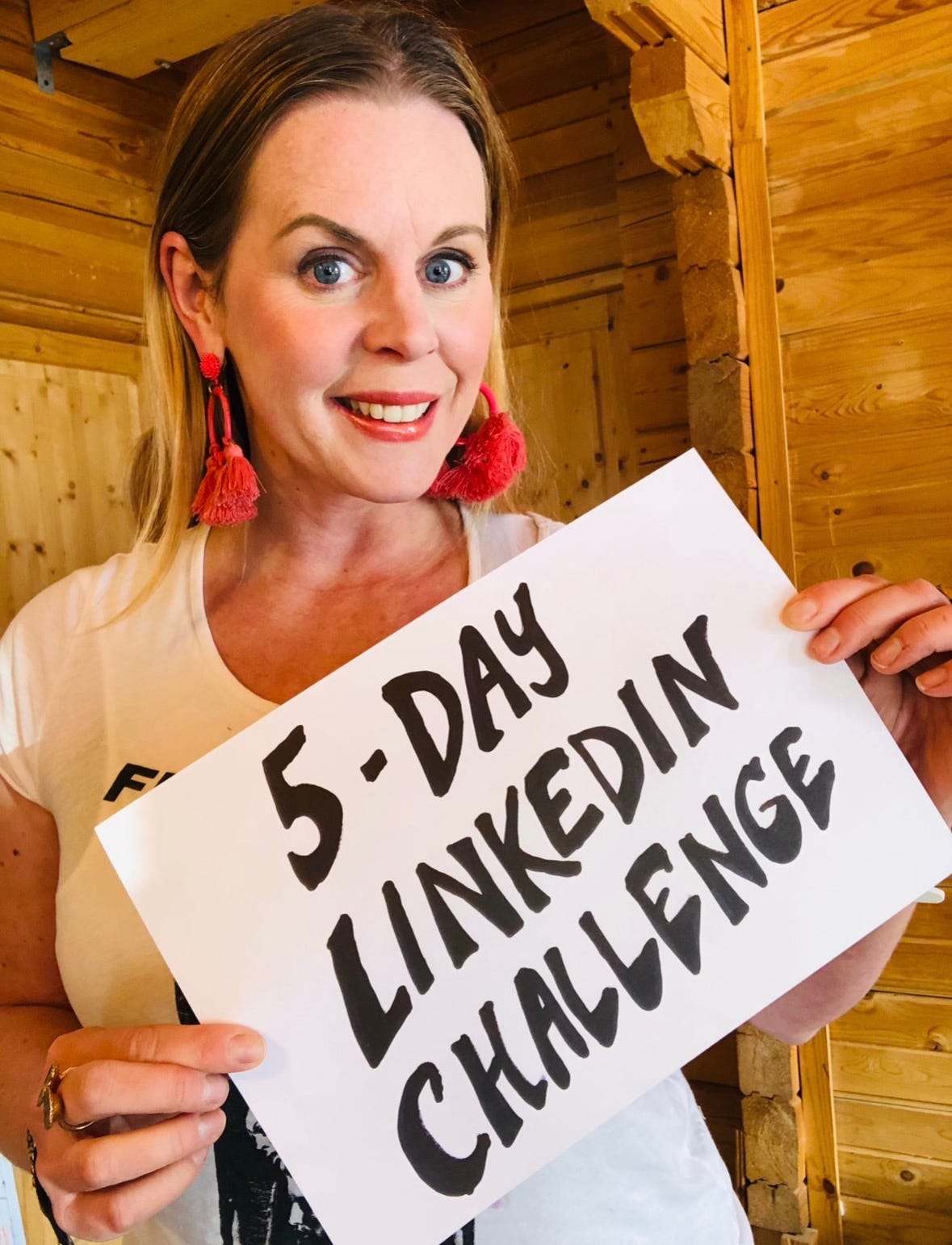
I spontaneously decided to run a free five-day challenge.
There was no elaborate launch. I announced it, invited people to join, and nearly 1,000 people signed up.
I wasn’t selling myself as a LinkedIn coach, and most of them weren’t trying to become LinkedIn experts. They had businesses they were trying to grow, and nobody knew they existed.
After the challenge, people started asking if they could work with me. Some wanted coaching. Others wanted help with their businesses. Pretty quickly, those conversations started turning into customers.
LinkedIn was also rolling out new features like live streaming and newsletters, so I tried those too.
Honestly, I tried almost everything.
Some things went nowhere. Some worked far better than I expected.
But from that little desk in France, I was slowly building something I hadn’t really had before:
A network that knew me, not just the company I worked for.
Then I Started Selling Things
Once I was talking to people all day and working with clients one-on-one, I started getting a much clearer idea of what people actually needed.
And I started selling things. A lot of things.
I would hear the same problem come up several times and think, okay, why am I explaining this individually to five different people? I could just create something around it and teach everyone at once.
So I started doing a lot of live masterclasses.
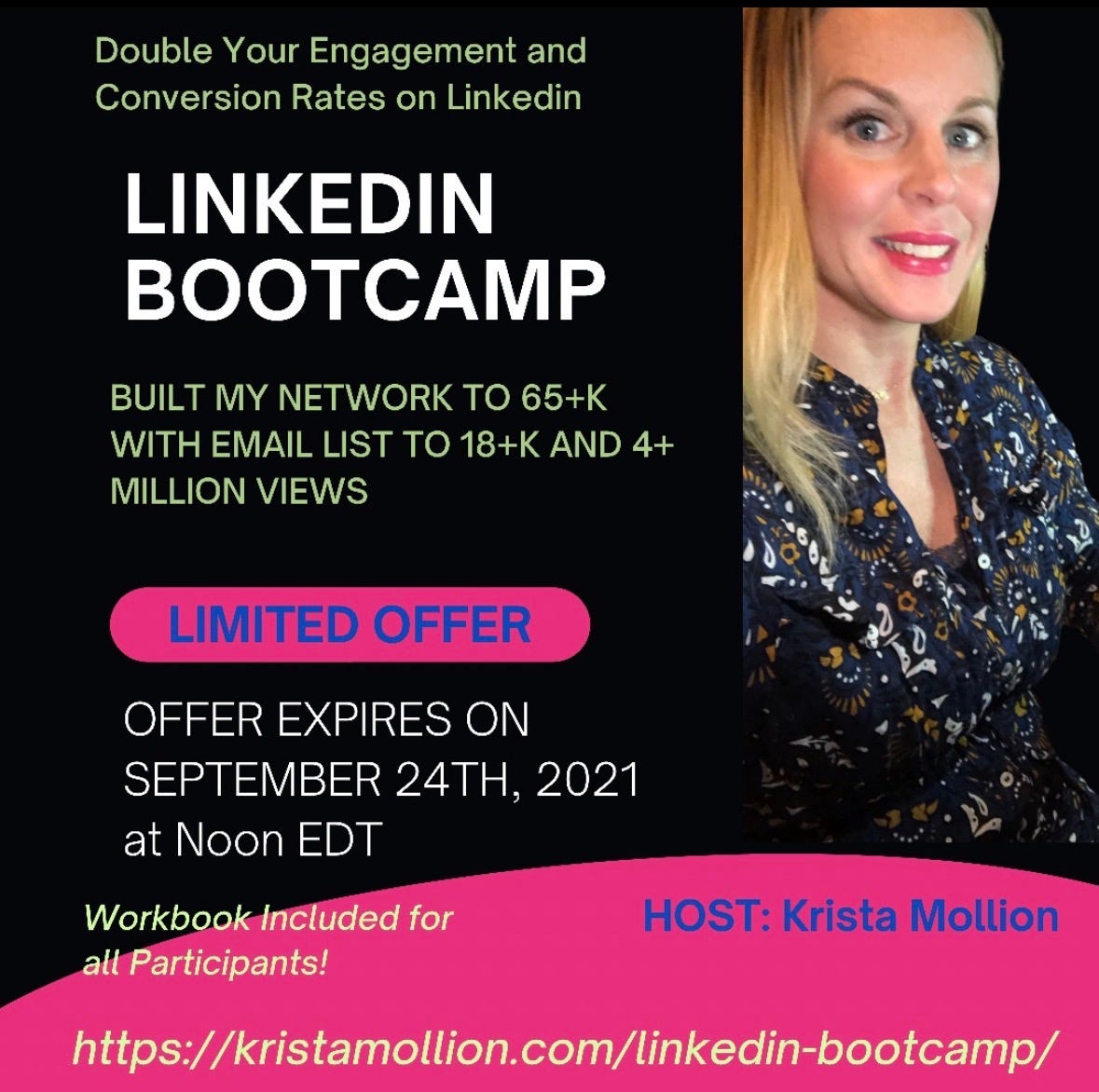
If several people were struggling with positioning, I might build a masterclass around positioning, announce it on LinkedIn, and see what happened.
I created workshops, challenges, coaching offers, and all kinds of experiments based on what people were already asking me about.
I wasn’t doing months of market research or building elaborate funnels. I was close enough to the people I was trying to help that they were basically telling me what they needed.
So I listened, built something, put a price on it, and tried to sell it.
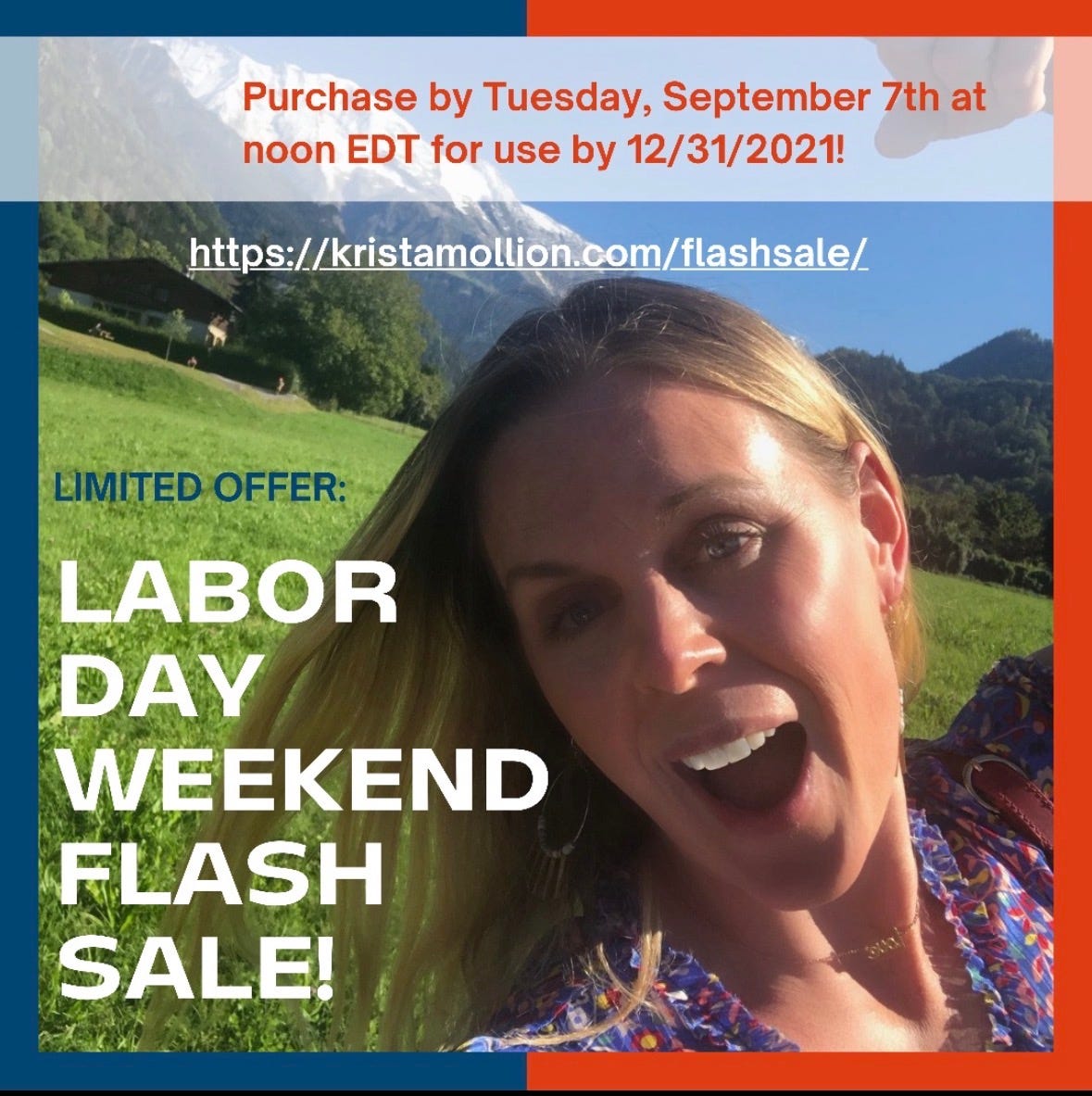
Some things sold really well. Some didn’t.
But I learned far more from actually selling things than I ever would have from endlessly planning what I might sell someday.
And eventually, I learned something else:
Just because people will pay you for something doesn’t necessarily mean it’s something you should build your business around.I wasn’t doing months of market research or building elaborate funnels. I was close enough to the people I was trying to help that they were basically telling me what they were struggling with.
So I listened, built something, put a price on it and tried to sell it.
Some things sold really well. Some didn’t.
And then I would try again.
I Started Diversifying My Income
Around this time, I started thinking more seriously about having multiple ways to make money.
After everything that had happened, relying on one employer, one client, or even one offer made me nervous. I wanted options.
By then, I was earning from coaching, live masterclasses, cohorts, paid challenges, and marketing services. For a while, I got really good at building quiz funnels for clients, and I also took on some social media management.
Then I got my first brand deal.
It was with a huge Fortune 500 company, and they paid me what felt like a ridiculous amount of money at the time.
I remember thinking, wait, companies will actually pay me for this too?
Then came affiliate income.
If I genuinely liked something and was already recommending it, I started using trackable links. I didn’t expect much from it, but people bought things.
That worked surprisingly well too.
Every time I figured out another way to make money, I felt a little more confident.
And honestly, a little less scared.
If one client disappeared, I had other clients. If coaching slowed down, maybe a masterclass sold. A brand deal, affiliate income, or service project could cover the gap.
Little by little, my entire financial life stopped feeling dependent on someone else giving me a job.
I started thinking:
Okay. I think I’m actually going to make it.
What This Actually Looked Like
I should add some context here, because I don’t want to make any of this sound easier than it was.
I absolutely had an unfair advantage: more than 20 years in marketing.
But for most of my career, I had been managing the work, not doing every single piece myself. If I needed copy, graphics, video editing, or a website built, I had talented people around me.
Now there was just me.
And admittedly, I kind of sucked at some of it.
It’s very different directing the work versus sitting there trying to figure out why the graphic looks terrible, the video won’t export, or the landing page isn’t selling.
It was humbling. It also gave me a much greater appreciation for how hard good marketing actually is.
I was also building my own business while actively serving clients. I still had coaching calls, workshops, projects, and deadlines. I wasn’t sitting around marketing myself all day.
And then there was real life.
I was alone with my toddler. No childcare. No partner at home to split the load. Meals, bedtime, laundry, groceries, household stuff, and a house that seemed to have something broken at all times were mine too.
So no, I wasn’t peacefully sitting in the French Alps building my dream business from my laptop.
I just kept figuring out what I could do with the time, money, energy, and skills I had.
I Wanted Something I Owned
Eventually, I wanted something more permanent than a collection of offers.
I wanted my own platform.
So I created From Zero 2 Six Academy, an online entrepreneurship academy for people building service businesses.
Over time, I built six courses, The Solopreneur MBA mastermind, and the Profitable Solopreneur community, along with live coaching, workshops, and cohorts.
I ran it for three and a half years, working closely with people trying to turn their skills and experience into businesses that could actually support them.
It gave me a front-row seat to what happens when business advice meets real life.
And eventually, I started noticing something that made me question the whole premise of what I had built.
Why I’m Not Giving You the Numbers
You may have noticed that I haven’t told you how much money I was making during any of this.
That’s intentional.
Income numbers are everywhere online, especially in the coaching world. $20K months. Seven figures. Screenshots of Stripe accounts.
Personally, I find a lot of it tacky.
The minute you give people a number, they start measuring themselves against it. Why did she make that much and I didn’t? Am I behind? Am I doing something wrong?
Suddenly the number becomes the story.
I do think you need to know your number. How much do you actually need? What would make you feel financially secure? What kind of life are you trying to pay for?
Those answers will be different for everyone.
There is one money moment I will tell you about.
The first time I realized I had made more on my own than I ever thought I could, I cried.
After spending years wondering whether anyone would even hire me again, I had figured out how to support myself without waiting for someone else to give me a job or decide what I was worth.
That felt pretty amazing.
The Happy Ending That Wasn’t
This is probably where a normal reinvention story would end.
I had survived the divorce, career collapse, lockdown, and starting over. I had built an audience, created multiple ways to make money, and built an academy of my own.
Great. She figured it out.
Except I hadn’t.
The longer I ran From Zero 2 Six Academy, the more obvious it became that I had made a pretty big assumption when I built it.
On the surface, everyone was an entrepreneur trying to build a business. Beyond that, they had wildly different skills, goals, available time, families, ambitions, and ideas about what success even looked like.
And I had created something that essentially said:
Here’s the blueprint. Follow these steps.
At the time, I thought that was a strength. I wanted people to know exactly what to do.
Eventually, I realized I was trying to give very different people the same roadmap.
I knew the model no longer felt right, but I didn’t yet know how to fix it.
So I shut the academy down.
Yes, I walked away from revenue.
I still think it was the right decision.
I didn’t know what I would build next. I just knew I couldn’t keep teaching one version of success to people who clearly wanted very different lives.
Back to What I Knew Best
After closing the academy, I went back to what I knew best: being a CMO.
I had already spent years doing this work, so I was very much in my comfort zone. The problem was that getting hired in San Francisco had already proved nearly impossible. Now I was living remotely in France, so the chances of landing a traditional CMO job felt even worse.
So instead of trying to get hired again, I started offering my experience as a Fractional CMO.
Honestly, it felt natural.
I knew how to walk into a business, figure out what wasn’t working, and help fix it. After several years of trying all kinds of new things, I was back doing work I had already spent decades learning how to do.
And I have to admit, getting the CMO title back felt good too.
If you’ve read my story about becoming unemployable at 38, you know how much of my identity had once been tied to my career. Becoming a Fractional CMO gave me some of that confidence back.
For about two years, it worked really well.
Then, sometime during year three, I started getting restless.
I realized I was once again spending most of my time and energy building other people’s businesses.
And I couldn’t stop thinking:
What am I building for myself?
Of Course I Built Something New
If you’ve read this far, it probably won’t surprise you to learn that I started building something new.
Of course I did.
Even while I was working as a Fractional CMO, I kept thinking about From Zero 2 Six Academy and what I had gotten wrong.
I still cared deeply about solopreneurs and independents, and I wanted another shot at building something for them.
But this time, I didn’t want to hand everyone the same six steps and assume they were all heading to the same place.
That’s how Creator Paybook came about.
Instead of starting with a blueprint, I’m starting with the person. What do you actually want? What are you good at? How much do you need to earn? How much of your life do you want work to consume?
Then we build from there.
And no, I can’t promise Creator Paybook is the last thing I’ll ever build.
You’ve just read this article. You know me better than that by now.
My bigger vision is to keep building services and media under Unignorable Brands that help more people create successful independent businesses, careers, and lives.
Years ago, I left California with three bags, a toddler, and absolutely no plan.
At the time, I thought my biggest problem was that I didn’t know what came next.
It took years of businesses, offers, pivots, clients, courses, successes, mistakes, and starting over to understand that nobody could hand me the answer anyway.
I had to decide what I wanted to build.
And apparently, I’m still deciding.
Which, at this point, feels pretty normal.
So the next time a coach shows you a beautifully neat path from one offer to millions of dollars, think of me.
Real businesses rarely move in a straight line. There are experiments, bad ideas, things that work until they don’t, things you outgrow, and plenty of pivots.
You just don’t usually see all of that in the success story.